
In the ever-evolving world of visual storytelling, understanding the nuances of capturing style is crucial. This comprehensive resource, curated byRed Square Imaging UK, aims to equip photographers with the essential insights needed to excel in their craft. By exploring foundational elements, this guide ensures that every aspiring artist can balance technical precision with creative vision.
Whether you are just starting or are a seasoned professional, this resource offers actionable advice to refine your portfolio. It delves into professional practices that have been tested in both studio and outdoor settings. The content is tailored to help navigate the complexities of modern imagery, making your work stand out in a competitive industry.
Ultimately, this guide serves as a beacon for those wishing to elevate their skills, ensuring that each shot resonates with clarity and purpose.
Key Takeaways
- This resource is tailored for photographers in the UK.
- It emphasises the balance between technical skills and creativity.
- Professional practices are covered for both studio and outdoor settings.
- Designed to help navigate modern visual complexities.
- Actionable advice is provided for all skill levels.
Understanding the Fundamentals of Fashion Photography
Capturing the essence of style requires a solid grasp of fundamental concepts. Dmitry Mukhin, a renowned expert, highlights that practical examples are key for aspiring photographers. His insights, originally published on fototips.ru, serve as a valuable resource.
With over twelve years of experience, Anupam Singh underscores the importance of expertise in creating striking campaigns. He believes that a consistent mood is vital, as it shapes the viewer’s emotional response. This perspective is echoed by many in the field.
To excel, photographers must balance posing principles with effective light use. The subject should remain the focal point, while the environment enhances the visual appeal. By studying established photographers, one can learn to manipulate light and shadow, crafting compelling narratives in every shot.
“The composition of an image dictates the emotional response of the viewer.”
| Expert | Experience | Key Insight |
|---|---|---|
| Dmitry Mukhin | Varied | Practical examples are essential. |
| Anupam Singh | 12 years | Expertise is crucial for striking campaigns. |
Choosing the Ideal Studio and Outdoor Settings
The setting chosen can significantly influence the mood and style of the captured image. Selecting the right environment is essential for creating striking visuals. In a studio, the right equipment can enhance the overall effect.
Studio Lighting Essentials
When working in a studio, using three Hensel Integra 500 monolights allows for a versatile setup. This arrangement can be easily repeated for various shoots. Additionally, reflective panels and black flags help control stray light and improve the backlight volume.
- White panels can be placed between the background and lighting units to redirect light onto the model.
Outdoor Environment and Natural Settings
Outdoor environments require careful selection of natural light. The golden hour provides soft, flattering tones, perfect for high-end portraits. Using a standard reflector reduces stray light from the background, ensuring the subject remains clearly separated from the scene.
- Choosing the right background is crucial; a worn brick wall in an urban setting can create an edgy look.
| Equipment | Purpose | Notes |
|---|---|---|
| Hensel Integra 500 | Studio lighting | Standard unit for consistent results |
| Reflective Panels | Control light | Helps manage stray light |
| Standard Reflector | Outdoor use | Minimises background light interference |
fashion photography poses and lighting techniques guide
A deep understanding of the elements of visual storytelling is crucial for effective style representation. Mastering these strategies can elevate the overall quality of the captured images.
Directing the model with confidence is essential for achieving professional results. When capturing dynamic movement, such as walking or spinning, Anupam Singh recommends using a fast shutter speed of 1/500 sec or faster. This ensures that the action is frozen cleanly, allowing for crisp shots.
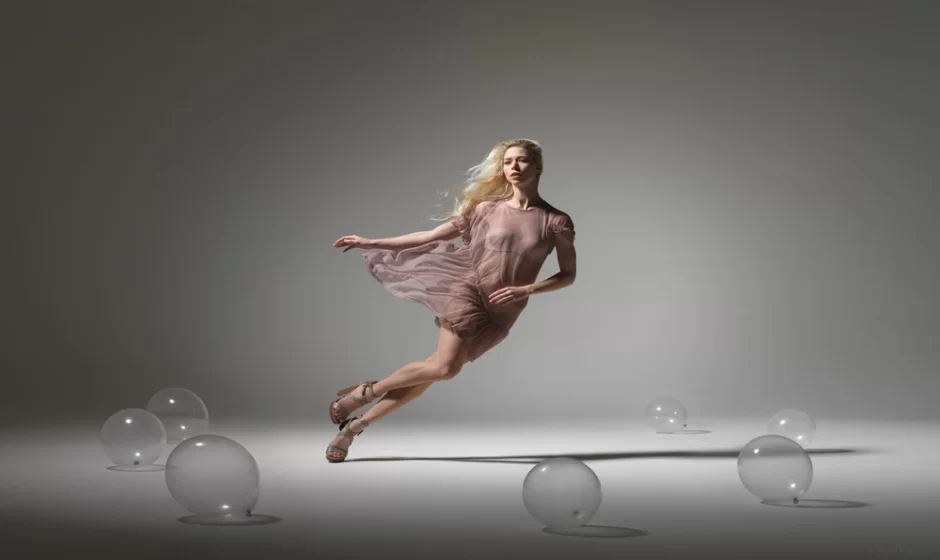
Incorporating advanced strategies can create compelling shapes with the body. Bent knees or tilted hips add dynamic lines, enhancing the visual appeal. Encouraging the subject to interact with their surroundings often leads to more authentic and engaging images.
By focusing on the model’s posture, photographers can create dramatic looks that significantly improve the quality of editorial or commercial projects.
“The key to a striking image lies in the interaction between the model and their environment.”
| Strategy | Description | Benefits |
|---|---|---|
| Directing with Confidence | Guide the model assertively. | Ensures professional results. |
| Fast Shutter Speed | Use 1/500 sec for movement. | Freezes action cleanly. |
| Body Shapes | Create dynamic lines. | Enhances visual appeal. |
Mastering Natural and Artificial Light for UK Shoots
The art of utilising both natural and artificial light is pivotal for impactful imagery. Understanding how to balance these light sources can elevate the quality of any shoot. Each type of light offers unique benefits that can enhance the final result.
Leveraging natural light effectively involves using diffusers to soften harsh sunlight. This prevents deep shadows from appearing on the model’s face or clothing. A handheld diffuser can create instant shade, allowing for more even skin tones and better contrast in the final image.
When using artificial light, photographers often rely on modifiers like the 90 cm Octabox. This equipment creates soft, controllable illumination, making it easier to achieve the desired look. Maintaining a white balance of 5200K on flash units ensures that colours remain accurate throughout the production process.
Balancing artificial light with ambient conditions is crucial, especially on location. This skill helps to manage the intensity of sunlight and achieve a harmonious look.
| Light Type | Technique | Benefits |
|---|---|---|
| Natural Light | Use diffusers | Softens harsh sunlight |
| Artificial Light | Employ modifiers | Creates soft illumination |
| Flash | Set to 5200K | Ensures colour accuracy |
Incorporating Professional Equipment and Red Square Imaging Uk
The right equipment can transform a photographer’s approach to capturing compelling images. For professionals, investing in high-quality gear is non-negotiable. Red Square Imaging UK recommends the Canon EOS R5 paired with the RF 50mm f/1.2 lens. This setup is favoured for its detail and autofocus capabilities.
A practical studio setup often includes three Hensel Integra 500 monolights. These units provide the necessary power to illuminate both the subject and background effectively. Photographers should also carry extra batteries and memory cards, as long shoots can often run overtime.
Utilising a tethering cable to connect the camera to a laptop allows for real-time adjustments. This technique is highly valued among professionals. Additionally, managing cables with Velcro straps prevents tripping hazards, ensuring a safe and organised studio environment.
- Invest in high-quality gear for professional standards.
- Use three Hensel Integra 500 monolights for effective illumination.
- Always have extra batteries and memory cards on hand.
- Connect your camera to a laptop for real-time adjustments.
- Manage cables with Velcro straps to maintain a tidy workspace.
| Equipment | Purpose | Notes |
|---|---|---|
| Canon EOS R5 | Camera | Detail and autofocus |
| RF 50mm f/1.2 | Lens | High-quality images |
| Hensel Integra 500 | Lighting | Reliable power for setups |
Expert Posing and Direction for Striking Looks
Directing models effectively leads to striking and memorable images. Clear communication is essential for building trust and understanding the concept of each shoot. Anupam Singh suggests starting with a conversation to set the tone and establish rapport.
Using a mood board to demonstrate poses can greatly assist models in grasping the desired look. This approach reduces miscommunication and boosts their confidence during the session. The photographer should also provide frequent, genuine feedback while using the camera. This helps maintain a positive energy and ensures the subject feels at ease.
Capturing transitions between poses often results in the most natural images. As the model shifts their weight or adjusts their clothing, these movements can create authentic moments. By employing a lens like the RF 50mm f/1.2, the photographer can maintain a connection with the subject while achieving striking results.
- Communicating with models builds trust and understanding.
- Using a mood board helps clarify the desired look.
- Frequent feedback keeps energy high and subjects comfortable.
- Transitions between poses yield natural images.
- The RF 50mm f/1.2 lens enhances connection with the subject.
Editing, Post-Production and Workflow Optimisation
Optimising workflow and editing techniques can transform raw images into captivating visuals. The post-production phase is crucial for enhancing the final look of each shot. By employing efficient methods, photographers can ensure their work stands out.
Efficient Techniques for Colour Grading and Retouching
Using Capture One allows photographers to streamline their workflow, ensuring that colour grading and retouching are handled with professional precision and speed. Frequency separation is a preferred technique for skin retouching, as it preserves natural texture while removing minor blemishes or discolouration from the images.
Streamlined Workflow Strategies
Batch editing settings across similar lighting setups helps maintain consistency in style while significantly reducing the time spent in post-production. A non-destructive workflow, where RAW files remain untouched, allows the photographer to experiment with different looks without losing the original data.
Software and Tools for Professional Finish
Keyboard shortcuts and pre-built export templates are essential tools for any photographer looking to deliver high-quality work within tight deadlines. These resources not only save time but also enhance the overall efficiency of the editing process.
- Utilise Capture One for precise colour grading.
- Apply frequency separation for skin retouching.
- Batch edit to maintain consistency in style.
- Adopt a non-destructive workflow with RAW files.
- Use keyboard shortcuts for efficiency.
Brand and Editorial Fashion Photography: Insights and Inspiration
Exploring the distinctions between brand and editorial visuals can enhance a photographer’s storytelling abilities. Anupam Singh notes that editorial shoots allow for more experimental and emotive storytelling compared to commercial brand campaigns. This flexibility often leads to captivating imagery that resonates with viewers.
Insights from Red Square Imaging highlight that successful brand photography must align with the client’s identity while still incorporating a unique visual story. This balance is crucial for effective representation.
Visual Storytelling and Concept Development
Editorial photography provides the freedom to play with mood and concept, resulting in more artistic and emotive images. Effective styling and makeup are essential for concept development, as they help define the overall look and feel of the shoot.
Insights from Red Square Imaging
- Even simple commercial projects can benefit from a clear narrative, adding cohesion and emotional impact.
- Understanding the difference between brand and editorial work allows photographers to tailor their approach to client needs.
- Incorporating strong styling enhances the overall aesthetic and emotional resonance of the images.
Conclusion
Success in the world of imagery hinges on the photographer’s ability to merge artistry with technique. Mastering this craft requires both technical skill and creative direction, as highlighted throughout this resource.
By consistently practising lighting setups and refining posing methods, photographers can capture professional-level images with confidence. The best way to improve is to study the work of others, create mood boards, and embrace experimentation.
Whether in a studio or on location, controlling light and directing models defines professionalism. We hope this guide has inspired you and provided the knowledge needed to elevate your visual storytelling to new heights.